
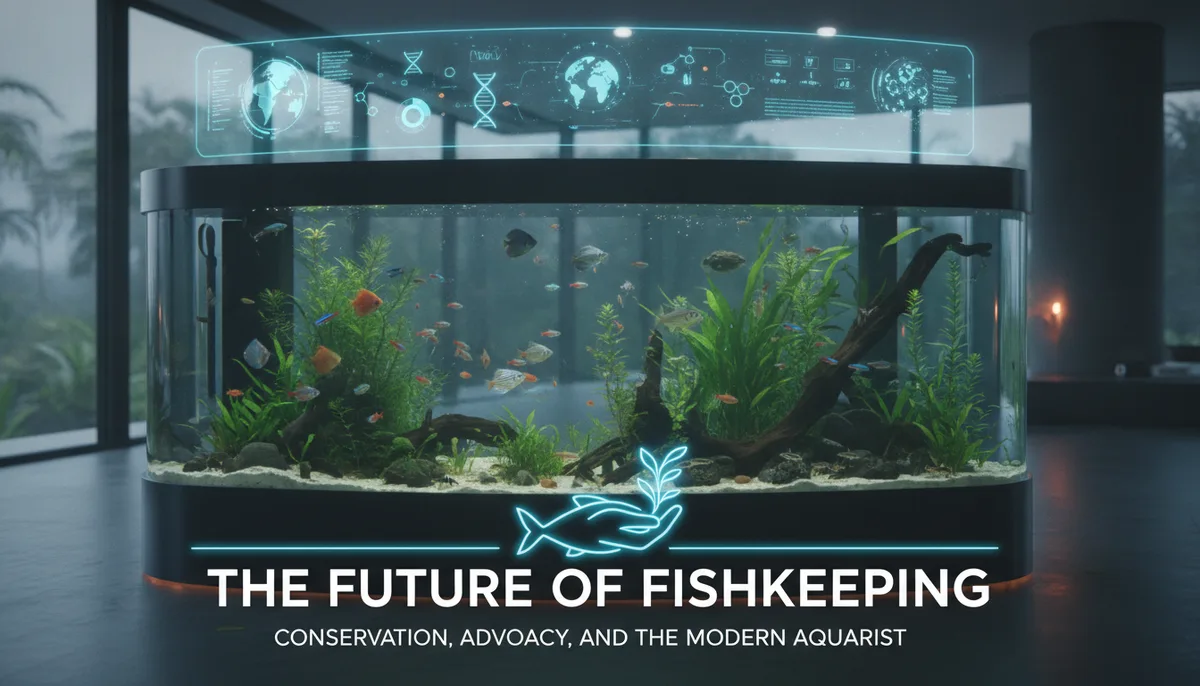
The Future of Fishkeeping: Conservation, Advocacy, and the Modern Aquarist
The world of fishkeeping is undergoing a profound transformation. No longer seen as just a casual hobby involving a glass bowl and a goldfish, modern aquaristics has evolved into a sophisticated intersection of science, art, and environmental advocacy. From the halls of government where the right to keep pets is being debated, to the remote shores of the Western Indian Ocean where coral reefs are being reborn, the stakes for the "Tank Keeper" have never been higher.
To be a successful aquarist today means staying informed about these global shifts. Whether you are interested in the technical precision of a new Fluval display or the legislative battles protecting your right to own an aquarium, understanding the current pulse of the industry is essential.
Groundbreaking Conservation: Coral Breeding in the Western Indian Ocean
One of the most significant developments in recent years is the establishment of a first-of-its-kind coral breeding lab in the Western Indian Ocean. This partnership marks a critical step forward in marine conservation, utilizing advanced techniques to foster reef resilience.
Why the Western Indian Ocean Matters
The Western Indian Ocean is home to some of the world’s most biodiverse marine ecosystems, yet it has historically lacked the infrastructure for large-scale coral propagation compared to the Caribbean or the Great Barrier Reef. By establishing a dedicated lab, researchers and hobbyist-led initiatives can now focus on local species that are specifically adapted to the unique thermal profiles of these waters.
The Role of the Hobbyist in Conservation
While this lab is a scientific endeavor, the technology and methodology often mirror what high-end reef keepers use at home. The ability to spawn and settle coral larvae in a controlled environment is the "holy grail" of the hobby. As these labs succeed, the knowledge trickles down to the average aquarist, promoting a more sustainable trade where wild-harvesting becomes a secondary option to captive-bred specimens.
Protecting the Hobby: OATA and Political Advocacy
The freedom to keep an aquarium is not a guaranteed right; it is a privilege that is increasingly coming under scrutiny. The Ornamental Aquatic Trade Association (OATA) has recently taken a firm stand by writing to several Members of the Scottish Parliament (MSPs) regarding an "anti-pet-keeping" report.
The Fight Against Misinformation
The report in question challenges the ethics of keeping exotic animals, including fish. OATA’s intervention is crucial because it highlights the positive impact of the hobby. Responsible fishkeeping fosters an appreciation for nature, contributes significantly to the economy, and supports conservation efforts through the trade of sustainably sourced livestock.
Why Advocacy Matters for You
If you are planning your next setup, you likely consult The Tank Keeper’s Master Buying Guide: Optimizing Your Home Aquarium Setup to ensure you are providing the best environment for your fish. However, without the work of organizations like OATA, the availability of certain species or even the legality of the hobby itself could be threatened. Supporting these advocacy groups ensures that the industry remains regulated but accessible.
The Art of the Scape: Fluval Display Builds and Aesthetics
Aquascaping has moved from a niche sub-sector of the hobby to the forefront of aquarium design. Recent showcases of the aquascape build process in new Fluval display tanks demonstrate how far the "living art" movement has come.
The Build Process
A professional aquascape isn't just about placing rocks and plants; it’s about creating a biological engine. Using high-quality glass and integrated systems, these builds focus on:
- Hardscape Balance: Using the "Golden Ratio" to place stones and driftwood.
- Plant Selection: Choosing species that match the light and CO2 output of the system.
- Filtration Integration: Ensuring that the life-support system is powerful yet unobtrusive.
For those looking to replicate these professional results, the choice of equipment is paramount. High-performance filtration is the backbone of any lush aquascape. If you are aiming for a high-capacity setup, you might consider the Fluval FX6 Canister Filter Review: Is It Worth the Hype? to see if it fits your specific needs for water clarity and flow.
Navigating the Changing Retail Landscape
The aquatic industry is seeing a bittersweet transition in its retail sector. On one hand, we are seeing the closure of legendary institutions; on the other, the rise of specialized boutique shops and community-driven events.
The Loss of Local Icons
The announcement that an award-winning Maidenhead Aquatics branch will close its doors marks the end of an era for many local hobbyists. Similarly, the story of Michael Robson and Wholesale Tropicals reminds us that these stores were more than just businesses—they were community hubs where knowledge was passed down through generations.
The Rise of the Specialist
As the "big box" model faces challenges, specialized shops like Aquarium Gardens are thriving by hosting meet-up events and focusing on high-end aquascaping. These locations offer a tactile experience that online shopping cannot replicate—the ability to see a mature display in person and talk to experts who have faced the same challenges you have.
For those who prioritize high-quality nutrition for their fish without the marketing "fluff," brands like Heron's Pet World have stepped in to fill the gap, providing premium food at accessible prices.
Industry Leadership: The Reef Summit and Beyond
In London, the recent Reef Summit brought together industry leaders to discuss the future of the trade. This event focused on sustainability, the ethics of livestock transport, and how to better educate the consumer.
Collaborative Growth
The Reef Summit represents a shift toward transparency. When manufacturers, wholesalers, and retailers sit at the same table, the result is usually a better experience for the end-user. This collaboration leads to quieter, more efficient equipment and more resilient livestock.
If you are setting up a tank in a shared living space, you know that noise is a major factor. The innovations discussed at these summits often lead to the development of better technology, such as those found in our guide on The Best Quiet Aquarium Filters for a Peaceful Living Room.
Practical Guidance for the Modern Tank Keeper
Staying current in the hobby requires a balance of technical skill and global awareness. Here are a few ways to ensure your home aquarium remains at the cutting edge:
- Prioritize Sustainability: Whenever possible, choose captive-bred fish and corals. This supports the efforts of breeding labs and reduces pressure on wild reefs.
- Invest in Quality Hardware: A display is only as good as its life-support system. Whether it's a high-end Fluval unit or a specialized reef light, quality gear pays for itself in longevity and animal health.
- Engage with the Community: Attend local meet-ups or industry events. The knowledge gained from a single afternoon at a place like Aquarium Gardens can save you months of trial and error.
- Stay Informed on Legislation: Follow OATA and other keeper organizations. Being a responsible hobbyist means being an advocate for the animals we keep.
Enhancing Your Setup with the Right Tools
As you refine your aquarium, look for products that offer measurable benefits to your ecosystem. For reef keepers, maintaining stable water chemistry is the difference between a thriving tank and a crash.
Conclusion: A Hobby with Purpose
The news coming out of the aquatic world today is a mix of challenges and triumphs. While we mourn the loss of iconic local shops, we celebrate the groundbreaking conservation work in the Indian Ocean and the vigorous defense of our hobby in the political arena.
Being a "Tank Keeper" in the 2020s is about more than just maintaining a glass box; it’s about participating in a global community dedicated to the beauty and preservation of the underwater world. By staying informed, choosing sustainable products, and honing our craft through better aquascaping and filtration, we ensure that this hobby will thrive for generations to come.