
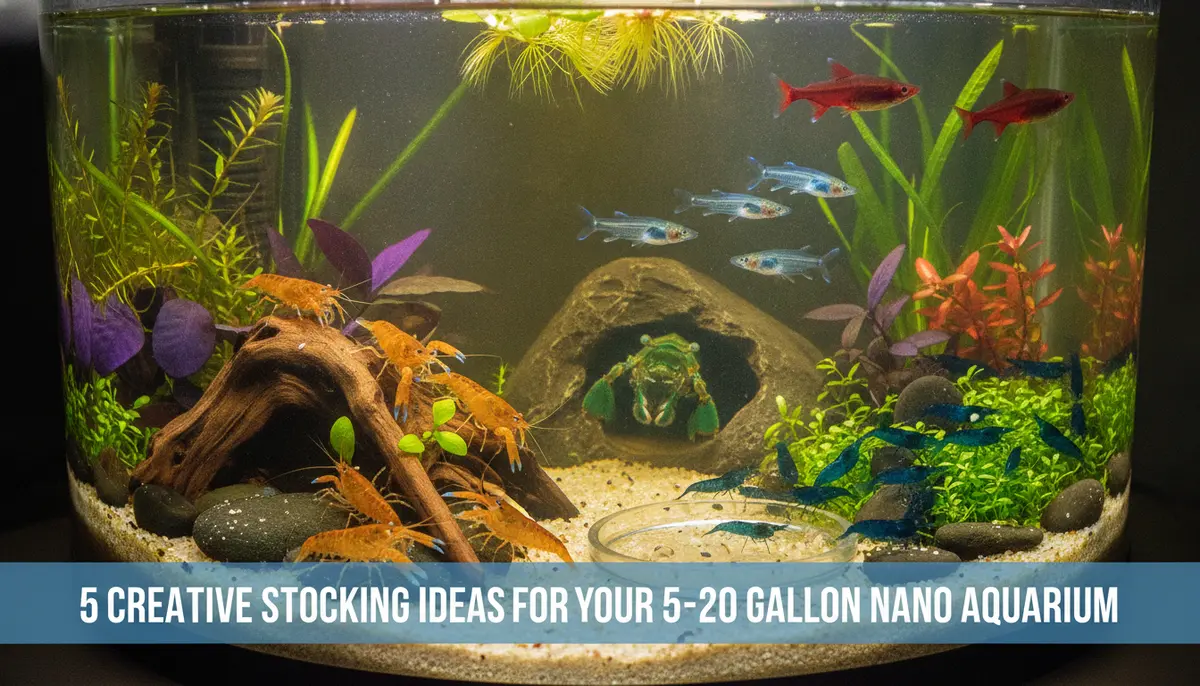
5 Creative Stocking Ideas for Your 5–20 Gallon Nano Aquarium
Small fish tanks, typically defined as those between 5 and 20 gallons, have become the cornerstone of the modern freshwater hobby. Their popularity stems from a perfect trifecta: a reduced physical footprint that fits on a desk or countertop, lower entry costs compared to massive setups, and the unique aesthetic appeal of a "micro-ecosystem."
However, the smaller the volume of water, the less room there is for error. Success in the nano hobby requires a thoughtful approach to stocking and design. Whether you are looking for a high-tech garden or a low-maintenance "wet pet" setup, choosing the right inhabitants is the most critical decision you will make. For those seeking a sleek, modern look, starting with the best rimless aquariums for a modern home aesthetic provides the perfect canvas for these five creative stocking ideas.
1. The High-End Nano Aquascape
If you view your aquarium as a living piece of art, the nano aquascape is the ultimate choice. This approach prioritizes the "hardscape"—the rocks and driftwood—and live plants to create a miniaturized version of a natural landscape. The goal is to create a sense of scale, making a 10-gallon tank look like a massive underwater forest or mountain range.
Designing the "Bones" of the Scape
A popular layout for small tanks is the "center island" design. By piling rocks and driftwood in the center and leaving the surrounding areas open with sand or low-growing "carpeting" plants, you create a focal point that draws the eye. Many professional aquascapers recommend using a single type of stone, such as Seiryu or Dragon Stone, and one type of wood to ensure a cohesive, natural look.
To keep your plants thriving and prevent common issues, check out our guide on best LED aquarium lighting for planted tanks: budget vs. professional grade. Proper lighting is the engine that drives plant growth in these dense displays.
aquarium aquascaping tool kit
Stocking for Scale
In a dedicated aquascape, the fish should complement the scenery, not distract from it. Nano species are essential here.
- Celestial Pearl Danios (CPDs): These fish are often called "Galaxy Rasboras" because of their stunning gold spots and deep blue bodies. They look like miniature trout and stay under an inch in length.
- Chili Rasboras: For a pop of intense color, these tiny, bright red fish are hard to beat. Because they are so small, a school of 10–12 can comfortably inhabit a 10-gallon aquascape without overwhelming the bioload.
- The Clean-up Crew: To keep algae off your hardscape, add a few Amano shrimp or Nerite snails. They are the "janitors" of the aquascaping world.
2. The Solo "Wet Pet" Centerpiece
Not every aquarium needs a dozen fish to be interesting. Some of the most rewarding setups focus on a single inhabitant with a big personality. This "centerpiece" approach is ideal for 5-to-10-gallon tanks where swimming space is limited but the desire for interaction is high.
The Iconic Betta Fish
The Betta splendens is the king of the centerpiece tank. Known for their intelligence and ability to recognize their owners, Bettas thrive in well-maintained nano tanks. Unlike the common myth that they prefer small bowls, a Betta in a 5- or 10-gallon tank with a gentle sponge filter and a heater will display much more vibrant colors and active behavior.
If you choose a Betta, ensure the tank has plenty of soft-leafed plants or silk decor to prevent their delicate fins from tearing. If the tank is 20 gallons, you may even be able to add a small school of peaceful tank mates, provided there are enough visual breaks like tall plants to prevent aggression.
50W adjustable aquarium heater
3. The Multi-Species Gourami Community
If you want a tank with a clear "leader" but still want the activity of a community, small Gouramis are an excellent alternative to Bettas. They are labyrinth breathers, meaning they can gulp air from the surface, and they possess fascinating "feelers" (modified pelvic fins) that they use to sense their environment.
Honey Gouramis and Sparkling Gouramis
- Honey Gouramis: These are among the most peaceful gouramis. Their beautiful sunset-orange hue makes them a standout centerpiece for a 20-gallon community tank. They generally get along well with small tetras and rasboras.
- Sparkling Gouramis: Even smaller than the Honey Gourami, these fish have iridescent scales that shimmer under the right lighting. They are famous for the audible "croaking" sound they make during courtship or territorial displays.
When building a community around these fish, look for peaceful companions that occupy different levels of the tank. Small tetras will stay in the mid-water, while nano bottom-dwellers will keep the substrate active.
4. The Vibrant Freshwater Shrimp Colony
Shrimp tanks have exploded in popularity because they allow for a high density of life in a very small space. A 5-gallon tank that might be too small for most fish can easily house a thriving colony of 20 or more Neocaridina shrimp.
The "Skittles" Tank vs. High-Grade Lines
Many hobbyists enjoy a "Skittles" tank, which involves mixing different colors of Neocaridina shrimp—red, blue, yellow, and orange. While visually stunning, be aware that if they interbreed, the offspring will eventually revert to a wild "brown" coloration over several generations. If you want to maintain a specific color, stick to one variety, such as the classic Red Cherry Shrimp.
Shrimp are highly sensitive to water quality. Because they have a low bioload, they don't produce much waste, but they do require stable parameters. If you notice your aquarium plants struggling, it could affect the shrimp's ecosystem; for instance, understanding why your aquarium plants have pinholes can help you maintain the potassium levels necessary for both plant health and the overall stability of the shrimp colony.
shrimp safe sponge filter
5. The Nano Bottom-Dweller Sanctuary
Often, the bottom of the tank is treated as an afterthought, but in a nano tank, it can be the star of the show. Focusing on "micro" catfish and loaches creates a tank filled with constant, quirky movement.
Small Catfish and Loaches
While many people think of Corydoras as large fish, there are several "pygmy" species that are perfect for 10-to-20-gallon tanks.
- Habrosus Corydoras: Also known as the Salt and Pepper Cory, these fish stay tiny but retain the classic "shuffling" behavior of their larger cousins.
- Rosy Loaches: These are active, social fish that add a unique vertical movement to the bottom and middle of the tank.
- Otocinclus Catfish: If you have a planted tank with some natural algae growth, a small group of "Otos" will work tirelessly to keep the leaves clean.
For a deeper dive into choosing the right species for the lower levels of your tank, see our comprehensive guide on the best small catfish for community aquariums.
Essential Equipment for Nano Success
Managing a small volume of water requires specific tools. Because temperature and chemistry can shift rapidly in 5 or 10 gallons, quality equipment is non-negotiable.
- Filtration: For most nano tanks, a sponge filter is ideal. It provides excellent biological filtration without creating a "whirlpool" effect that can stress out small fish like Bettas or suck up tiny shrimp.
- Heating: Look for an adjustable heater rather than a "preset" one. This allows you to fine-tune the temperature to the specific needs of your species.
- Substrate: If you are planning an aquascape, use an active "aquasoil" that provides nutrients to plants. For shrimp or bottom-dwellers, a fine, inert sand is often better to prevent damage to delicate barbels or legs.
Managing a Small Ecosystem: Maintenance Tips
The "goldilocks" zone of 5–20 gallons is easy to maintain once established, but the initial setup requires patience.
- Avoid Overstocking: It is tempting to add "just one more fish," but in a nano tank, the margin for error is slim. Stick to the recommended numbers to prevent ammonia spikes.
- Consistent Water Changes: Smaller tanks benefit from smaller, more frequent water changes. Changing 10-20% of the water twice a week is often better for stability than changing 50% once every two weeks.
- Monitor Evaporation: In a small tank, evaporation can quickly increase the concentration of minerals and salts in the water. Keep your tank topped off with dechlorinated water to maintain consistent salinity and hardness.
By choosing one of these five stocking paths, you can transform a small glass box into a thriving, professional-grade ecosystem. Whether it's the shimmering scales of a Sparkling Gourami or the busy grazing of a Red Cherry Shrimp, the world of nano aquariums offers endless possibilities for the creative hobbyist.